
Behavioral Finance

Why It Doesn’t Matter What I Think About The Market

Authored by Jeff, Behavioral Finance, Markets

Ed. This is an “oldie but goodie” article that I wrote back in 2015. It seemed really relevant at the current market juncture, which many feel is filled with uncertainty. I think it’s important to remember that our ‘tactical’ methods of investment management are designed to take into account all manner of uncertainty with a specific game plan in mind… at all times. ~Jeff

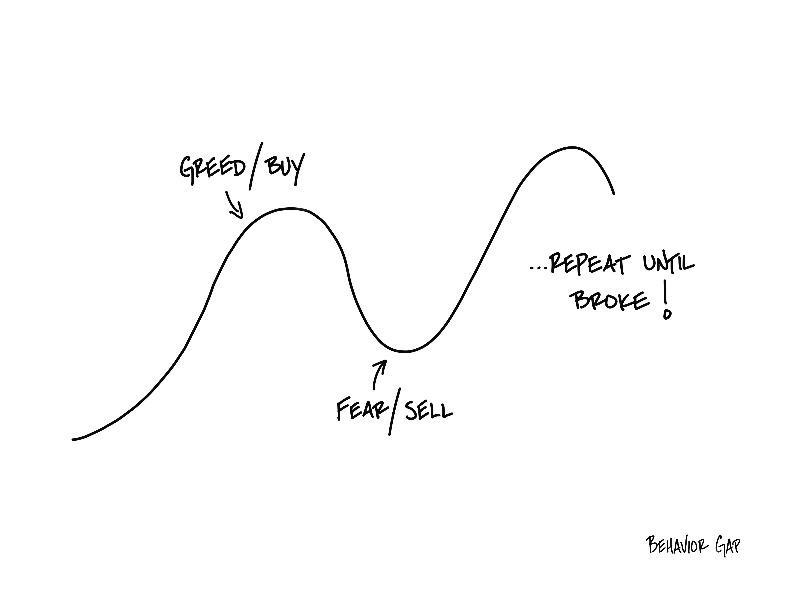
Should we have an opinion about the stock market, or even about the direction of the economy? Is it important to set a firm course of action based upon our expectations of what we think will occur in the coming months?

Most readers when asked, would think these questions a bit silly. Everyone “knows” that you must have an opinion to be a successful investor.

Or do you? Given the nature of how  a publicly traded market truly functions, it’s quite possible that having a preconceived notion about it’s future direction could be more hindrance than help.

I consistently see evidence that the investors who nerdatcomputerhave a firm opinion about what they believe will occur in the future are taking a risk with their flexibility. They’re messing with an essential investing skill that is the ability to change and adapt to a very fluid and dynamic situation.

Once a money manager or other professional makes a public declaration about an expected market direction, it becomes increasingly difficult for them to abandon their position should the market begin to prove them wrong. Ultimately, this can lead to their own pride or hubris costing them and those they advise significant sums of money.

Even the “experts” are wrong most of the time. In a classic case of “couldn’t be MORE wrong”, late in the year in 2007, in an annual Barron’s survey, 12 prominent strategists were questioned about what they thought would be the course of the economy and the market for 2008.

First, not a single one of them predicted a recession even though we were already in a recession at the time of the survey (December 2007). Second, their ending estimates for the S&P 500 were between 1525 and 1750. The S&P 500 closed 2008 at 903.25. That’s an embarrassingly huge miss!

Of course, it would be a bigger shame if they managed or advised others based upon an unflinching adherence to their predictions. That’s a portfolio-wrecking miscalculation and strategy. And this isn’t just one “strategist”… it’s all of them.

It’s foolish, dangerous and most likely quite expensive to try to predict the stock market in any economic scenario. Of course, this doesn’t stop the pundits or the headline-seekers from attempting it. They must be doing it for the pure publicity… good or bad, it doesn’t seem to matter.

But for me, this is why it doesn’t matter what I think about the future. The good news is that when I’m stacked up against some of the greatest economists in the world, I figure I’ve got about the same odds as them as being right. The bad news is that those odds are somewhere between slim and none.

What to do?

I think that it is more important to imagine a number of potential scenarios and their corresponding courses of action. From this brainstorming session, you can develop a written plan for the future of your investments in a sequence of decision statements.

I’ve tried to do this with our investment portfolios. We have “rules” that we follow that indicate to us when to be in a market and when to be out of a market. We don’t guarantee results or performance, but we place an emphasis on putting in place the decision trees to try to avoid the large long-term losses that come along a few times during an investor’s life cycle that can wreck or alter a financial plan entirely.

Once these rules are in place, then truly does not matter what I, you or anyone else thinks about the market. If it’s good, we’re in. If not, we’re not. Very low stress.

Why It Doesn’t Matter What I Think About The Market Read Post »

You Don’t Have to Suffer to Retire Well — 5 Things the ‘Deprivation’ Crowd Gets Wrong

Behavioral Finance, Financial Planning, Retirement

Kevin O’Leary has some retirement advice making the rounds again: start practicing being poor. “Lose the car. Lose the cable. Maybe even lose the cat,” the Shark Tank star wrote. His logic? “Get used to deprivation before you’re deprived.” (1)

I’ve been a CPA since 1981, with more than four decades of running retirement numbers behind me. I’m also 71, and we have two cats: Jagger and Sargent Pepper. Neither of my fluffy friends is going anywhere —

Source: You Don’t Have to Suffer to Retire Well — 5 Things the ‘Deprivation’ Crowd Gets Wrong

You Don’t Have to Suffer to Retire Well — 5 Things the ‘Deprivation’ Crowd Gets Wrong Read Post »

How Wealthy Retirees Can Overcome Their Fear of Spending | Kiplinger

Behavioral Finance, Financial Planning, Retirement

Some of the most financially anxious retirees aren’t the ones who failed to save. They’re the ones who did almost everything right.

They built the portfolio, paid off the home, delayed gratification and made thoughtful decisions for decades. Then retirement arrives, and something surprising happens: The spreadsheet says they’re secure, but they still don’t feel free.

Source: How Wealthy Retirees Can Overcome Their Fear of Spending | Kiplinger

How Wealthy Retirees Can Overcome Their Fear of Spending | Kiplinger Read Post »

A man sitting at a desk using a cell phone

5 Money Moves to Make Now If You Want to Retire in 10 Years | Morningstar

Behavioral Finance, Lifestyle, Retirement

Valentina Djeljosevic: Hi, I’m Valentina Djeljosevic. Welcome to the second episode in a new miniseries for Morningstar called Your Retirement Countdown. In this four-part series, we’re sitting down with Christine Benz, Morningstar’s director of personal finance and retirement planning.

We’re talking about the key things you need to do to retire comfortably based on how far away your retirement start date is, whether it’s 25 years away, five years away, or just one year away. In today’s episode,

Source: 5 Money Moves to Make Now If You Want to Retire in 10 Years | Morningstar

5 Money Moves to Make Now If You Want to Retire in 10 Years | Morningstar Read Post »

Retirement Is a Glide Path, Not a Cliff | Morningstar

Behavioral Finance, Financial Planning, Retirement

Why Financial Independence Is a Tonic Against Career Burnout

Christine Benz: I wanted to talk about the news that you were financially independent. It sounds like it was anticlimactic, but you also said that it was a great tonic against career burnout because you are continuing to work. It sounds like you really like your work as a physician, but can you talk about that, how crossing that threshold and hearing that you were financially independent was kind of

Source: Retirement Is a Glide Path, Not a Cliff | Morningstar

Retirement Is a Glide Path, Not a Cliff | Morningstar Read Post »

Most Overlooked Part Of Retirement Has Nothing To Do With Money

Behavioral Finance, Financial Planning, Health & Fitness, Retirement

Most people prepare financially for retirement, but far fewer prepare for the life transition itself. You may have circled a date on the calendar, built up your savings, or met regularly with a financial advisor, but retirement is not just a financial event. It is a major life change that alters identity, structure, purpose, and daily rhythm. And like any meaningful transition, it requires preparation.

Source: Most Overlooked Part Of Retirement Has Nothing To Do With Money

Most Overlooked Part Of Retirement Has Nothing To Do With Money Read Post »

Why “Buying the Dip” Can Hurt Returns Over Time | Zacks Investment Management Blog

Behavioral Finance, Markets

“Buying the Dip” is a Flawed Long-Term Investment Strategy.

Stocks have been on a roll over the past few years. But strong performance also has many investors concerned, especially those with extra cash on the sidelines. With elevated valuations and noisy headlines, I often hear investors say: “At these levels, I’d rather wait for a pullback before investing.”

In stock market parlance, this approach is commonly referred to as “buying the dip.” But recent quantitative research shows that such a strategy is flawed, and it can actually hurt investor returns over time.

To be fair, I understand the appeal of a ‘buying the dip’ approach. By waiting for markets to pull back…

Read the entire article: Why “Buying the Dip” Can Hurt Returns Over Time | Zacks Investment Management Blog

Why “Buying the Dip” Can Hurt Returns Over Time | Zacks Investment Management Blog Read Post »

a neon sign for a motel lit up at night

Financial Advisor IQ – Ex-Wirehouse FA Accused of Forcing Client to Trade Sex for Account Access

Behavioral Finance, Lifestyle

A former wirehouse advisor has been accused of abusing his role as a fiduciary to further a sexual relationship with a client and compel her to recruit other clients on his behalf.A statement of claim filed Thursday in the Financial Industry Regulatory Authority’s dispute-resolution system accuses San Francisco–based advisor Sam Su of assault, sexual battery and sexual harassment during a long-running extramarital affair with a client.

Read the entire article: Financial Advisor IQ – Ex-Wirehouse FA Accused of Forcing Client to Trade Sex for Account Access

Financial Advisor IQ – Ex-Wirehouse FA Accused of Forcing Client to Trade Sex for Account Access Read Post »

Are You a Retirement Millionaire Who Is Too Scared to Spend? | Kiplinger

Behavioral Finance, Lifestyle, Retirement

Bill Van Sant has seen it many times among those he has helped with retirement planning. As a managing director at Girard, a Univest Wealth Division, Van Sant has worked with several retirees sitting on piles of cash in retirement but are scared to spend.

There’s the one client who continued to pour money into an old car even though he could afford a newer one that was more reliable. Or the multiple clients who planned to travel in retirement but kept putting it off out of fear they would outlive their savings only to suffer an illness or medical condition that prevented them from realizing their dream.

Even Van Sant’s own father keeps delaying the purchase of a newer boat that has a bathroom even though he has the resources to upgrade.

Read the entire article: Are You a Retirement Millionaire Who Is Too Scared to Spend? | Kiplinger

Are You a Retirement Millionaire Who Is Too Scared to Spend? | Kiplinger Read Post »

Now and Future – Behavior Gap

Behavioral Finance, Markets

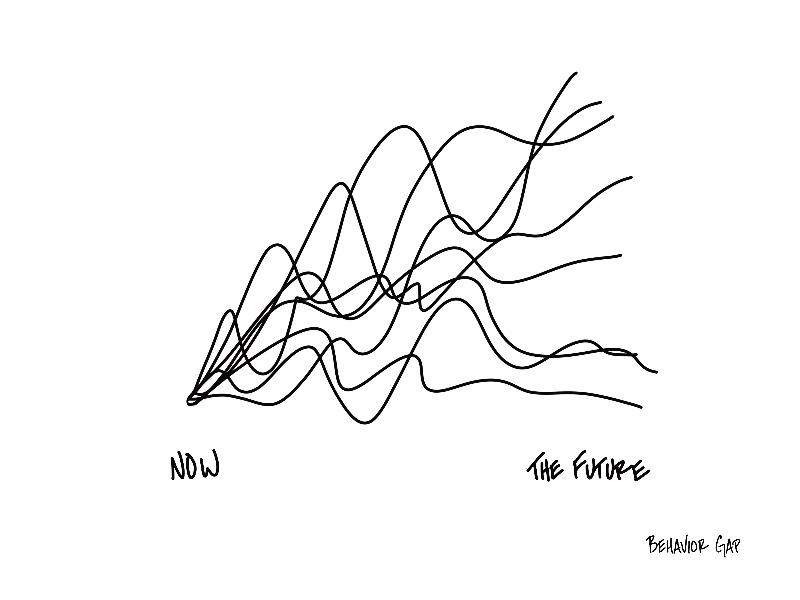
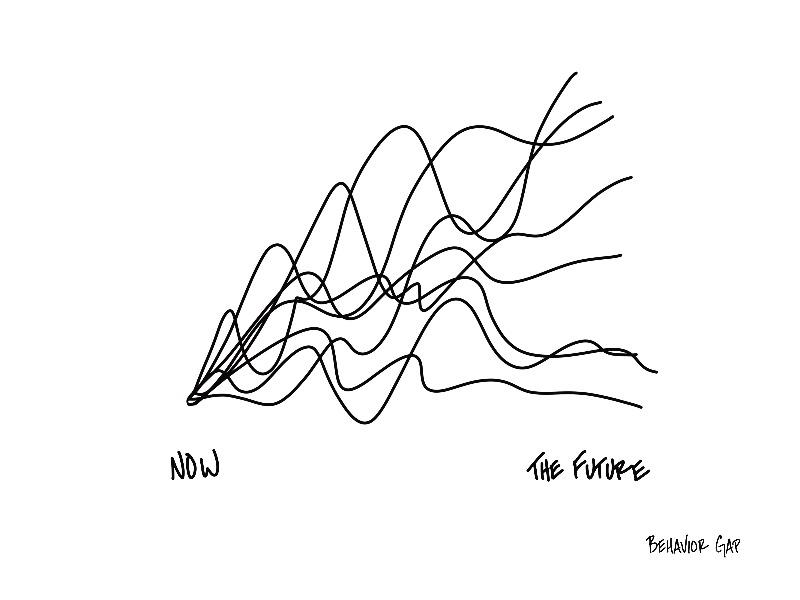
Investing in the stock market is not a physical science like weather forecasting. Although the market is difficult to predict, there are proven strategies that can help you invest wisely. Learn why guessing is not a good way to make investment decisions in this article by Carl, and stop pretending to know something you don’t.

Read the entire article: Now and Future – Behavior Gap

Now and Future – Behavior Gap Read Post »

Market forecasting isn’t like the weather… – Behavior Gap

Behavioral Finance

The facts have remained the same. Over time (think 10, 15, or 20 years), stocks typically do better than bonds, and bonds typically do better than cash. Low expenses are typically a good sign of future relative performance. We also know that a diversified portfolio will help protect you from the variability of the stock market.

Read the entire article: Market forecasting isn’t like the weather… – Behavior Gap

Market forecasting isn’t like the weather… – Behavior Gap Read Post »

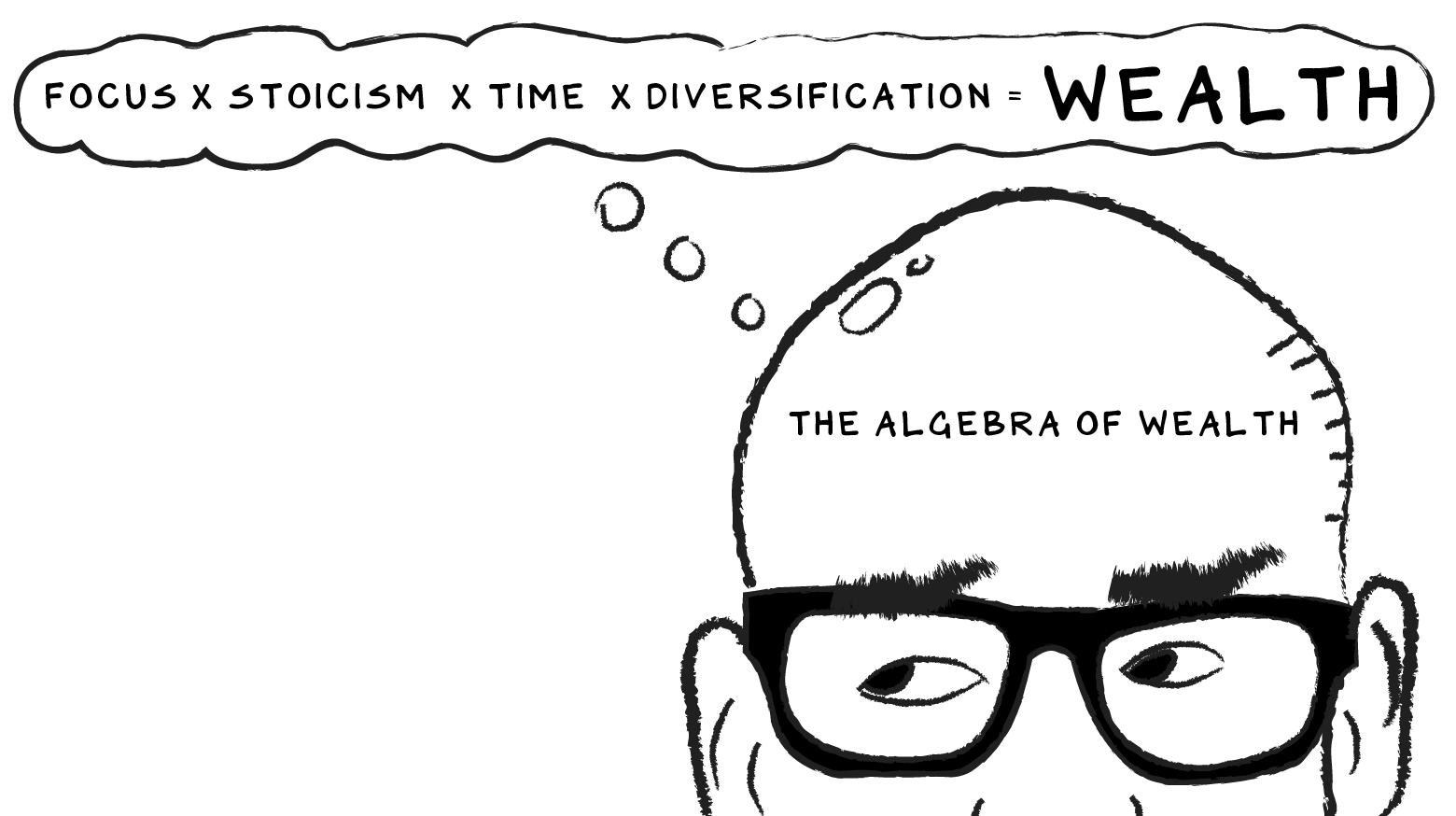
The Algebra of Wealth | No Mercy / No Malice

Behavioral Finance, Financial Planning, Markets

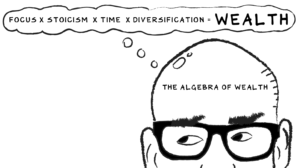
The news of the (second) impeachment seems strangely pedestrian after the blowtorch intensity of Reddit vs. The Hedge Funds.

The good news is that the hedge funds didn’t conspire with market makers and trading apps to suppress a (warranted) generational revolution.

The inevitable Netflix/Hulu/Starz versions will not be so romantic; Reddit mainly inspired a transfer of wealth from one hedge fund to others. It was a pump and dump masquerading as a movement … with many retail investors left holding the bag.

Read the entire article: The Algebra of Wealth | No Mercy / No Malice

The Algebra of Wealth | No Mercy / No Malice Read Post »

The Dead Bodies I Left – Contrarian Thinking

Behavioral Finance, Lifestyle

Humans. I’m tired of it. I’m tired of emails that say “I hope you’re doing well in these trying times,” (although I may, cough, be guilty of sending 1 or 70 of ‘em). I’m tired of conversations (mine included) that default to politics, protests, posturing.

Conversations where we are all-knowing and the other is an imbecile. Yes, I am very worried about our government, Big Tech, overreach, social unrest, and tactical things like inflation, stock market plunges, and economic downturn.

But here’s the truth…we all need to gander a second or two longer in the mirror and do a little less pointing with those trigger-happy index fingers. I’ve never met a perfect human. I’m not, and I’d wager a bet you also aren’t.

Read the entire article: The Dead Bodies I Left – Contrarian Thinking

The Dead Bodies I Left – Contrarian Thinking Read Post »

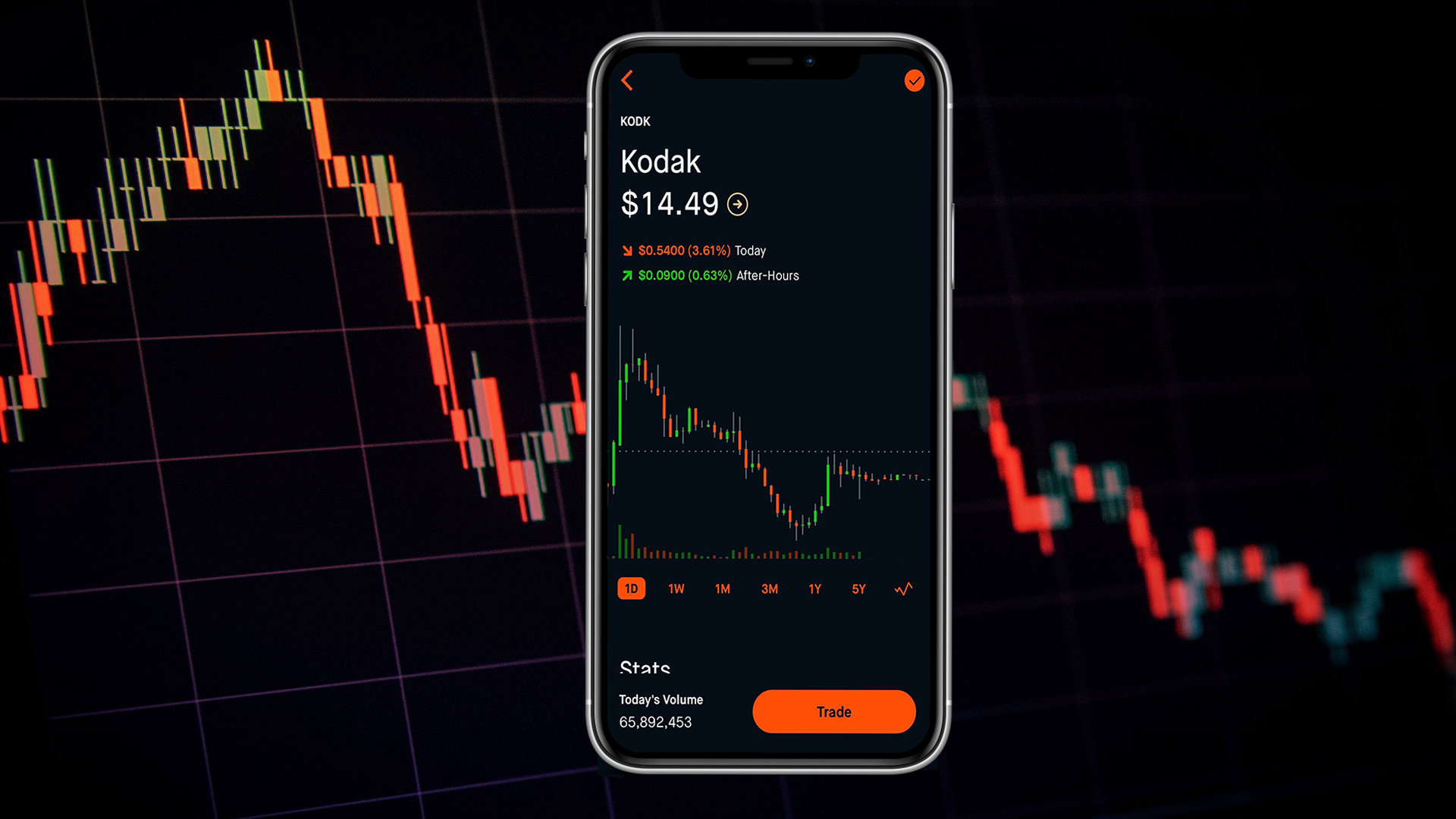
Massachusetts Regulators File Complaint Against Robinhood – WSJ

Behavioral Finance, Markets

Massachusetts securities regulators filed a complaint Wednesday against the wildly popular trading platform operated by Robinhood Financial LLC, alleging the company aggressively marketed to inexperienced investors and failed to implement controls to protect them.

Read the entire article: Massachusetts Regulators File Complaint Against Robinhood – WSJ

Massachusetts Regulators File Complaint Against Robinhood – WSJ Read Post »

Scroll to Top